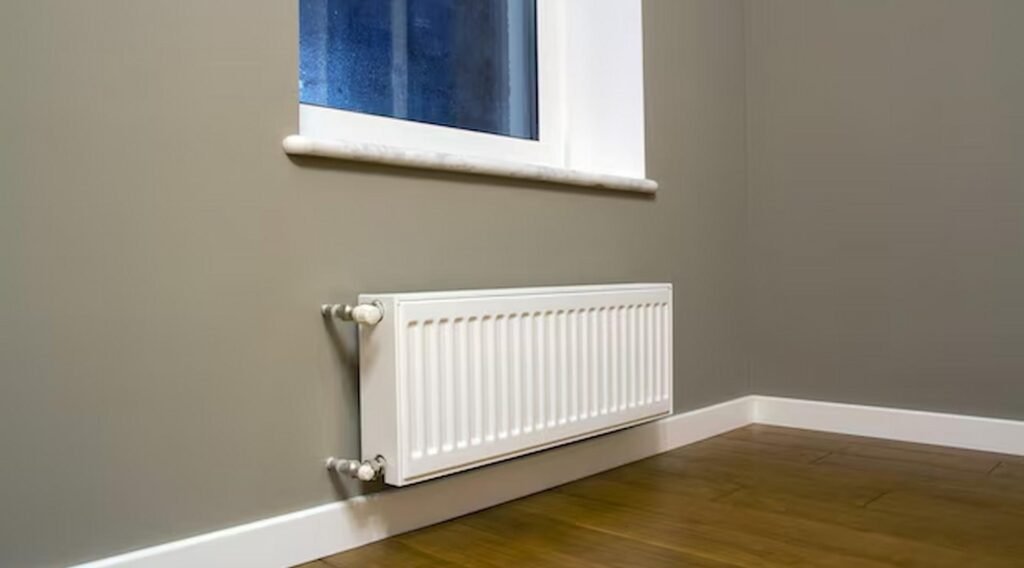
Still paying more for heat but feeling less of it? Modern radiators are transforming home comfort with advanced efficiency, smarter heat distribution, and sleek designs that elevate your interior. Discover how upgrading your heating system can lower energy bills, eliminate cold spots, and turn your home into a warm, stylish, and energy-efficient sanctuary.
Heating systems account for a significant share of household energy consumption. In the UK and across Europe, studies suggest that space heating can represent more than half of a home’s total energy use during colder seasons. Because of this, improving heating efficiency is one of the most effective ways to reduce energy waste and control household costs.
Modern radiator design has evolved to support this goal. Instead of simply producing heat, radiators now focus on distributing warmth efficiently, warming spaces quickly, and maintaining consistent temperatures throughout the home.
Even areas often overlooked in heating design can contribute to overall efficiency. Installing properly sized hallway radiators helps maintain stable temperatures between rooms. This reduces heat loss from frequently opened doors and creates a smoother flow of warmth throughout the property.
Why Traditional Radiators Often Waste Energy
Older radiators were built with durability in mind rather than energy efficiency. While many of them still function well, their design can result in unnecessary heat loss and uneven temperature distribution.
Several limitations are common in older heating systems:
Uneven Heat Distribution
Older radiators may take longer to warm up and often create “hot spots” near the unit while leaving other areas of the room cooler. This encourages people to increase thermostat settings, which uses more energy.
Slower Heat Response
Traditional radiators often require more time to reach the desired temperature. Because they respond slowly, heating systems may run longer than necessary.
Outdated Materials
Older models frequently use thick cast iron or heavy steel, which holds heat but also takes longer to warm up and cool down. This reduces responsiveness when adjusting temperatures.
Poor Room Integration
Heating units placed without considering room layout can create inefficient heating patterns, allowing warm air to gather in unused areas rather than where it is needed.
Modern radiator design addresses these problems directly through improved materials, internal engineering, and more thoughtful placement.
How Modern Radiators Improve Heating Efficiency
Technological improvements have transformed radiators into far more effective heating tools. New designs focus on delivering warmth quickly and evenly while minimising wasted energy.
Faster Heat Output
Modern radiators are engineered to heat up quickly. Their internal structure allows hot water to circulate efficiently, which helps the radiator reach the desired temperature sooner.
Because rooms warm faster, the heating system runs for shorter periods, reducing overall energy consumption.
Improved Heat Distribution
Contemporary radiator designs are shaped to maximise surface area. A larger heating surface allows warmth to spread evenly across the room rather than concentrating in one location.
This balanced heat distribution helps maintain comfortable indoor temperatures without frequent thermostat adjustments.
Advanced Materials
New radiator models use lighter, more responsive materials that transfer heat efficiently. These materials warm quickly and cool down faster when the heating system switches off.
This responsiveness prevents overheating and supports better temperature control throughout the home.
Better Room Integration
Heating efficiency is influenced not only by the radiator itself but also by where it is installed. For example, placing radiators along circulation areas such as hallways helps stabilise temperature between rooms.
Strategically positioned hallway radiators prevent cold air pockets from forming in transitional spaces and improve the flow of warmth through the property.
The Role of Smart Heating Controls
Modern radiators perform most efficiently when paired with smart heating controls. These systems allow homeowners to manage indoor temperatures more precisely and avoid unnecessary energy use.
Features such as programmable heating schedules allow rooms to warm only when needed, helping reduce wasted energy. Zoned heating adds further control by allowing different rooms to maintain different temperatures depending on how frequently they are used.
Thermostatic radiator valves (TRVs) also improve efficiency by regulating the flow of hot water into each radiator. When a room reaches the desired temperature, the valve automatically reduces heat output. Many systems also offer remote control through smartphone apps, allowing adjustments even when residents are away.
Together, these controls help maintain a comfortable home while ensuring radiators operate as efficiently as possible.
Why Radiator Placement Matters for Efficiency
Heating performance is influenced not only by the radiator itself but also by its location. Correct placement allows warm air to circulate naturally and maintain stable temperatures.
Hallways are particularly important in home heating systems because they connect multiple rooms. When these spaces remain cold, heat from adjacent rooms escapes quickly.
Installing well-sized hallway radiators can improve the entire heating network within a home. By warming transitional spaces, they help reduce temperature differences between rooms and allow heat to move more evenly throughout the building.
Good placement also ensures radiators are not blocked by furniture or heavy curtains, which can trap warmth and reduce efficiency.
Practical Tips for Maximizing Radiator Efficiency
Upgrading your hardware is the first step, but how you maintain and use your system will determine your long-term savings. Here are four actionable ways to ensure your radiators are performing at their peak:
- Bleed Your Radiators Annually: Air trapped at the top of a radiator prevents hot water from filling the entire unit, creating cold patches and forcing your boiler to work harder. If the top of your radiator feels cooler than the bottom, it’s time to use a radiator key to release the air.
- Avoid Obstructions: It is tempting to place a sofa directly in front of a radiator or hang long curtains over it, but this traps the heat. For maximum efficiency, leave at least 10–15 centimeters of clear space around the unit to allow air to circulate freely.
- Install Reflective Foil: Placing heat-reflective foil behind radiators on external walls can bounce “lost” radiant heat back into the room rather than letting it escape through the brickwork.
- Balance the System: If some radiators in your house take ages to get hot while others are boiling, your system may be “unbalanced.” Adjusting the lockshield valves (the covered valves opposite the temperature control) ensures an even distribution of hot water throughout the home.
The Future of Home Heating
As we move toward low-carbon heating solutions like heat pumps, the role of the radiator becomes even more critical. Heat pumps operate at lower water temperatures than traditional gas boilers. To keep a home warm under these conditions, radiators need to be highly efficient with large surface areas. Modern radiators are already “future-proofed” for this transition, designed to deliver high heat yields even when the water circulating through them isn’t scalding hot.
Upgrading your heating isn’t just a home improvement project; it is an investment in the longevity and sustainability of your property. By replacing aging, inefficient units with precision-engineered hallway radiators and sleek room-specific models, you create a home that is cheaper to run, faster to warm, and significantly more comfortable to live in. Efficiency may start at the boiler, but it is delivered by the radiator—make sure yours are up to the task.
Conclusion
Modern radiator technology has transformed how homes manage heat. Today’s designs prioritise efficiency, responsiveness, and smarter temperature control, helping households maintain comfort while reducing energy use.
From improved materials to intelligent heating controls, these advancements allow warmth to spread more evenly throughout living spaces. Strategic placement also plays a role. Well-positioned hallway radiators help maintain balanced temperatures between rooms and support efficient heat circulation across the entire home.
For homeowners looking to improve energy efficiency, upgrading radiator systems and optimising their use can make a noticeable difference in both comfort and long-term energy costs.