Working from home has become a regular part of daily life, and with that comes the need for a space that feels both comfortable and practical. Many people begin by adjusting their desk or lighting, but seating often has the greatest impact on how they feel during the day. While exploring ways to improve their setup, it is common to come across ergonomic office chairs as a simple step towards better comfort during long working hours.
A well-arranged home workspace need not be complicated. It is about creating an environment that supports your body and helps you stay focused without constant discomfort. Small, thoughtful changes can make daily work feel more manageable and less tiring over time.
Setting Up a Functional Work Area
A comfortable workspace starts with a layout that allows your body to sit naturally. Your desk should be positioned so that you do not need to lean forward or strain your shoulders. Keeping your screen at eye level helps reduce pressure on your neck, while placing your keyboard within easy reach keeps your arms relaxed.
Lighting also plays an important role. Natural light is helpful where possible, but even a well-placed desk lamp can reduce eye strain. When these elements are arranged properly, your body can settle into a more comfortable and balanced position throughout the day.
Why the Right Chair Matters
Seating is central to how your workspace feels. Sitting for long periods in an unsupported chair can quickly lead to discomfort and fatigue. A chair that supports your back and allows your feet to rest flat on the floor helps maintain a more stable sitting position.
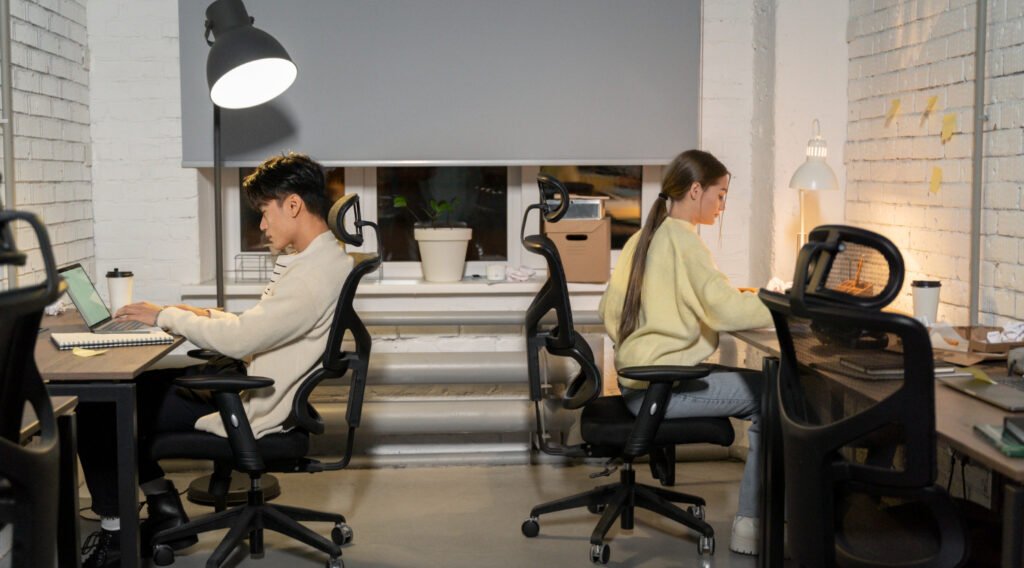
Many people notice a clear improvement when they include ergonomic office chairs in their home setup. These chairs are designed to support natural posture and allow small adjustments, making it easier to stay comfortable without constant effort.
Practical Features That Support Comfort
When choosing a chair, it helps to focus on features that genuinely support everyday use. Adjustable height allows you to align your seating with your desk, while proper lumbar support helps maintain the natural curve of your lower back.
A flexible backrest encourages slight movement, which can prevent stiffness during long periods of sitting. Comfortable cushioning also helps reduce pressure on key areas of the body. Together, these features help create a seating experience that feels supportive without being restrictive.
Building Better Daily Habits
Comfort is not only about furniture; it is also shaped by your daily habits. Sitting in one position for too long can lead to stiffness, even with a well-designed chair. Making small adjustments throughout the day helps your body stay relaxed.
Taking short breaks, stretching, or simply shifting your position can make a noticeable difference. These simple habits support your comfort and help you return to your work feeling more focused.
Adapting Your Space Over Time
A home workspace does not need to be perfect from the beginning. It can improve gradually as you notice what works best for you. Adjusting your chair, repositioning your screen, or refining your desk layout can all contribute to a better experience.
The goal is to create a space that feels natural and easy to use. When your setup supports your routine, it becomes easier to maintain comfort without constantly thinking about it.
A More Comfortable Way to Work
A well-planned workspace supports both comfort and productivity. By paying attention to how you sit and making small adjustments where needed, it becomes possible to work for longer periods without unnecessary strain.
Over time, these improvements help create a routine that feels steady and balanced. A comfortable environment allows you to stay focused, reduce fatigue, and approach your work with greater ease each day.