
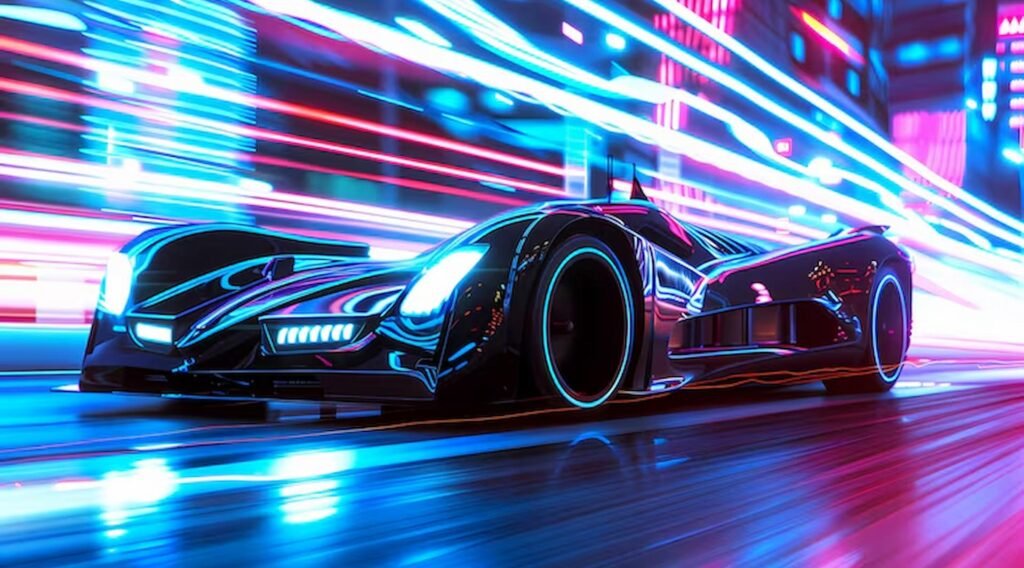
Sim racing has rapidly evolved into a legitimate motorsport battleground. With hyper-realistic physics, professional-grade racing rigs, and global esports leagues, virtual drivers now train, compete, and even launch real-world racing careers from digital circuits. The line between gaming and motorsport is fading as sim racers prove their skills both on and off the track.
The Rise of Digital Motorsport
Competitive motorsport gaming has entered a new era. Sim racing now delivers an experience that closely mirrors real-world racing. Highly detailed physics engines, precise steering systems, and realistic track environments allow players to engage with motorsport in ways that were previously impossible.
Platforms and communities built around high-performance hardware have played a major role in this evolution. Enthusiasts searching for professional-grade racing setups often rely on Sim Racer UK for specialised equipment, including advanced steering wheels, precision pedals, and racing cockpits that support immersive and highly competitive driving environments.
Sim racing no longer sits on the fringe of gaming culture. It has become a recognised discipline where skill, strategy, and precision matter as much as raw speed.
What Sets Sim Racing Apart from Traditional Racing Games
Not all racing games are created with the same purpose. Traditional racing titles focus on entertainment and accessibility. Sim racing, however, prioritises realism and competitive accuracy.
Key differences include:
- Realistic physics models that simulate tyre grip, suspension behaviour, and traction dynamics.
- Authentic track reproductions based on real-world circuits and racing conditions.
- Advanced driving hardware including force-feedback steering wheels and load-cell pedals.
- Competitive online ecosystems with structured leagues and ranking systems.
These elements combine to create a serious competitive environment. Players must develop genuine racing techniques such as braking control, corner management, and throttle balance.
Technology Driving the Sim Racing Revolution
Rapid advances in gaming technology have been central to the growth of sim racing. Modern systems replicate racing conditions with remarkable accuracy, allowing drivers to train and compete in highly realistic environments.
Several technological innovations are shaping this transformation.
Advanced Force Feedback Systems
Force feedback technology allows steering wheels to replicate the physical sensations of driving. Drivers feel road textures, tyre grip changes, and weight transfer through the wheel.
This feedback helps players refine their driving technique and respond to track conditions more effectively.
High-Fidelity Simulation Engines
Simulation software now models countless racing variables, including:
- Aerodynamics
- Tyre wear and temperature
- Suspension movement
- Track surface conditions
These complex calculations produce a dynamic driving experience where every decision affects performance.
Ultra-Immersive Displays
Modern setups often include triple monitors or virtual reality systems that expand the driver’s field of vision. This wider perspective improves spatial awareness and helps drivers judge corners, overtakes, and braking points with greater precision.
The Growth of Competitive Sim Racing Leagues
Sim racing has developed into a structured competitive scene with organised tournaments and international competitions. Online platforms now host leagues that mirror the structure of traditional motorsport championships.
Drivers compete in ranked events where consistency and race strategy are essential. Qualifying sessions determine starting positions, while race results influence driver ratings and standings.
Many competitive communities rely on specialised equipment providers and racing platforms. Enthusiasts researching professional hardware setups often turn to Sim Racer UK to explore high-performance racing wheels, pedals, and cockpit systems designed specifically for competitive gameplay.
This growing ecosystem has elevated sim racing from a hobby into a recognised competitive activity.
Skills Required to Compete in Sim Racing
Success in sim racing depends on more than fast reactions. Competitive drivers must develop technical understanding and strategic thinking similar to real-world motorsport.
Important skills include:
Precision Driving
Drivers must master braking zones, racing lines, and throttle control. Even small mistakes can cost valuable seconds during competitive races.
Race Strategy
Sim racing events often involve tyre management, pit-stop timing, and fuel strategies. Drivers must balance aggression with careful planning.
Consistency
Maintaining stable lap times across long races is often more important than achieving a single fast lap.
Situational Awareness
Drivers need to monitor nearby competitors, anticipate overtakes, and avoid collisions while maintaining race pace.
These abilities transform sim racing into a demanding and skill-based competitive activity.
Equipment That Enhances Competitive Performance
Professional-level sim racing requires specialised hardware designed to replicate real driving conditions. High-quality equipment allows drivers to respond more accurately to track feedback and improve overall control.
A competitive setup typically includes:
- Direct-drive racing wheels for precise force feedback
- Load-cell pedals that simulate realistic brake pressure
- Racing cockpits that stabilise equipment and enhance immersion
- High-refresh-rate monitors for smoother visual performance
Reliable equipment sources are essential for building a competitive rig. Dedicated sim racing retailers like Sim Racer UK provide specialised hardware that helps drivers create professional-grade racing setups at home.
Investing in proper equipment can significantly improve consistency and control during competitive sessions.
Why Sim Racing Is Attracting Global Attention
The growing popularity of sim racing is not accidental. Several factors have contributed to its rapid expansion within the motorsport and gaming industries.
Accessibility
Sim racing allows enthusiasts to experience competitive racing without the financial barriers associated with traditional motorsport.
Continuous Practice Opportunities
Drivers can train at any time without weather restrictions or track availability issues.
Global Competition
Online racing platforms connect drivers from around the world, creating diverse and competitive racing communities.
Constant Technological Advancement
Regular improvements in simulation software and hardware continue to enhance realism and immersion.
These advantages make sim racing a powerful platform for competitive gaming.
Actionable Tips for New Sim Racing Competitors
For players interested in entering the competitive sim racing scene, developing strong foundations is essential.
Consider the following tips:
- Start with a stable setup: Ensure your steering wheel and pedals are securely mounted.
- Learn track layouts carefully: Familiarity with braking zones and corner sequences improves lap consistency.
- Focus on smooth inputs: Gentle steering and throttle movements improve tyre grip and stability.
- Practise consistent lap times: Aim for reliability before chasing outright speed.
- Adjust settings gradually: Fine-tune steering sensitivity, brake pressure, and force feedback to suit your driving style.
Following these strategies helps drivers develop skills that translate directly into competitive performance.
The Future of Competitive Sim Racing
Sim racing continues to evolve rapidly. New technologies promise to make the experience even more realistic and competitive.
Emerging developments include:
- Motion simulation platforms that replicate vehicle movement
- Improved virtual reality racing environments
- AI-powered race analysis tools
- Enhanced online competition systems
These innovations will further blur the line between virtual and real-world motorsport.
As equipment and software continue to improve, the global community surrounding sim racing will likely expand even further.
Wrapping Up
Sim racing has transformed from a niche hobby into a powerful force within competitive motorsport gaming. Advanced simulation technology, structured online leagues, and specialised racing equipment have created an environment where skill, strategy, and precision truly matter. Drivers can now experience the intensity of motorsport from highly immersive home setups. Communities and equipment providers such as Sim Racer UK continue to support this growth by offering tools designed for serious racers. As technology advances and competition expands, sim racing will remain a defining part of the future of digital motorsport and competitive gaming culture.