Saving money does not always mean cutting out everything you enjoy or living on a very strict budget. In fact, trying to stop all spending at once can make saving feel difficult and frustrating. A better approach is to make small changes that fit naturally into your everyday life. You can still enjoy meals out, meet friends, shop for things you like and have fun while becoming more careful with your money.
The key is to understand where your money is going and decide which areas can be improved without making life feel boring. Simple habits such as planning your shopping, checking subscriptions and avoiding unnecessary purchases can make a noticeable difference over time. The following useful ideas can help you save money while still enjoying the things that matter to you.
Plan Your Weekly Spending
Having a simple spending plan can make it much easier to understand your finances. You do not need a complicated spreadsheet or a strict budget that covers every penny. Start by looking at your regular income and main expenses, then decide how much you can comfortably spend each week.
- Set a weekly amount: Choose a realistic amount for food, small treats, travel and other everyday spending.
- Check your spending: Look at your bank account regularly so you know where your money is going.
- Leave some flexibility: Keep a small amount for unexpected costs or something enjoyable, rather than making your budget too strict.
When you have a clear idea of what you can spend, you are less likely to spend without thinking. This can help you stay in control without feeling that you have to give up everything.
Cook at Home More Often
Eating out and ordering takeaway can quickly become expensive, especially when it happens several times a week. You do not have to stop eating your favourite foods, but cooking at home more often can help reduce your monthly spending. Home-cooked meals can also be made in larger portions, giving you food for another meal.
- Plan a few meals: Decide what you will cook before going shopping to avoid buying random items.
- Use what you have: Check your cupboards and fridge before buying more food.
- Keep favourite meals: You can still enjoy a takeaway occasionally while making most meals at home.
The aim is not to make every meal cheap or boring. It is simply about finding a better balance between homemade food and meals that cost more.
Review Your Subscriptions
Small monthly subscriptions can be easy to forget because the payments often seem affordable on their own. However, several subscriptions together can take a surprising amount of money from your account each month. Take some time to check what you are currently paying for.
- Check your statements: Look for streaming services, apps, memberships and other regular payments.
- Cancel unused services: If you have not used something for months, consider ending it.
- Keep what you enjoy: You do not need to cancel everything; keep the services you genuinely use.
Removing even one or two unnecessary subscriptions can free up money every month without changing your daily routine very much.
Wait Before Buying Something
Impulse shopping can make it difficult to save money. You may see something you like and feel that you need to buy it immediately, only to realise later that you could have lived without it. Giving yourself a little time before making a purchase can help you decide more carefully.
- Use a waiting rule: Wait a day or two before buying non-essential items.
- Ask yourself if you need it: Think about whether you will actually use the item regularly.
- Compare prices: Check whether another shop offers the same product for less.
This small habit can prevent many unnecessary purchases. You can still buy things you really want, but you will be more likely to spend money on items that are genuinely useful.
Make Better Use of What You Already Own
Saving money does not always mean buying cheaper things. Sometimes it simply means using what you already have instead of replacing it. Before buying something new, check whether an old item can be repaired, reused or given a new purpose.
- Repair where possible: A small repair may cost much less than replacing something completely.
- Reuse everyday items: Find new uses for things you already have at home.
- Look after your belongings: Taking care of clothes, appliances and other items can help them last longer.
This approach can reduce unnecessary shopping and also help you avoid clutter. It is a simple way to save without feeling that you are missing out.
Look for Free or Low-Cost Activities
Having fun does not always need to cost a lot of money. There are many ways to spend time with friends or family without visiting expensive restaurants, attractions or entertainment venues every time.
- Enjoy outdoor activities: Walks, parks and local outdoor spaces can provide a pleasant day out for little or no cost.
- Try free events: Check local listings for markets, community events and free activities.
- Enjoy evenings at home: A film night, homemade dinner or games evening can be just as enjoyable as going out.
Choosing cheaper activities more often means you can still enjoy your social life while keeping more money in your account.
Shop With a List
Going shopping without a plan can make it much easier to buy things you do not really need. A simple shopping list can help you stay focused, especially when supermarkets and online shops are full of tempting offers.
- Write a list: Note down the things you actually need before you start shopping.
- Avoid unnecessary extras: Try not to add items simply because they look appealing.
- Check your cupboards first: You may already have some of the things on your list.
Shopping with a plan does not mean you can never treat yourself. It simply helps you separate planned purchases from unnecessary spending.
Save Small Amounts Regularly
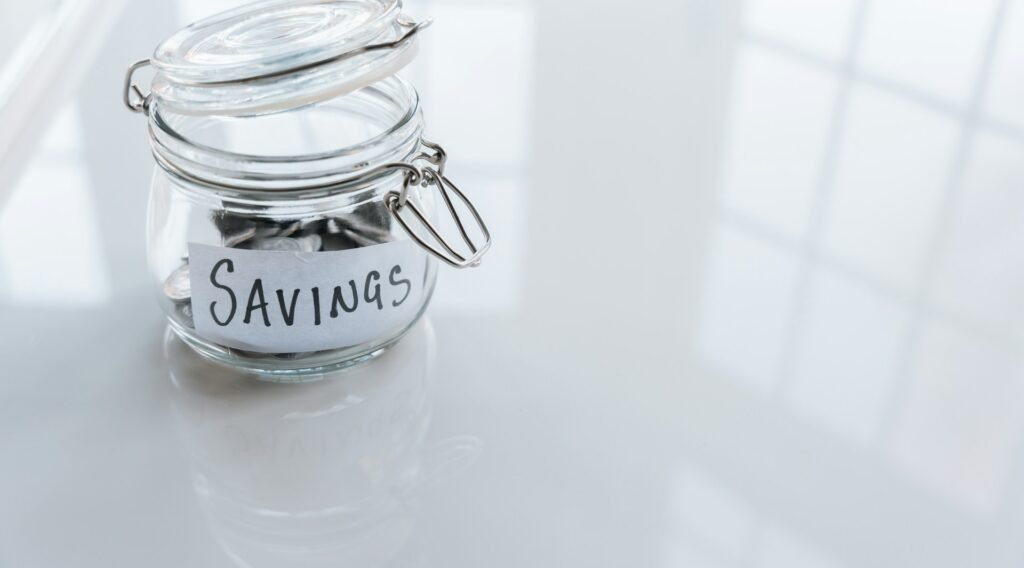
You do not need to save a large amount of money every month to build a useful saving habit. Even small amounts can become meaningful when you save them regularly. The most important part is consistency rather than trying to save a huge amount at once.
- Start with an amount you can manage: Even a small regular transfer is a useful beginning.
- Save after payday: Moving money into savings early can make it easier to avoid spending it.
- Increase slowly: If your budget becomes more comfortable, you can gradually increase the amount.
Regular saving can give you a financial cushion for future plans or unexpected expenses. It can also make you feel more confident about managing your money.
FAQs
How can I save money without feeling unhappy?
Start with small changes rather than removing everything you enjoy. Keep a reasonable amount for treats, hobbies and social activities while reducing unnecessary spending in other areas.
Is it better to save a small amount every month?
Yes. Saving a small amount regularly can help you develop a strong habit. As your situation improves, you can increase the amount gradually.
Should I stop buying things I enjoy?
Not necessarily. Saving money is about finding a balance. You can still buy things you enjoy, but it is useful to think carefully about whether the purchase is worth the money.
How can I stop impulse shopping?
Try waiting before buying non-essential items. Giving yourself 24 or 48 hours to think about a purchase can help you decide whether you genuinely need it.
What is one of the easiest ways to save money?
Reviewing regular expenses is a good starting point. Checking subscriptions, takeaway spending and other repeated costs can help you find areas where you can save without making major lifestyle changes.
Conclusion
Saving money does not have to mean giving up your favourite foods, social plans or little treats. The goal is to make smarter choices about where your money goes and create habits that are realistic for your everyday life. Small changes such as cooking at home more often, checking subscriptions, planning shopping and saving regularly can gradually make a difference. The most important thing is to choose changes that you can continue for the long term. You do not need to become extremely strict with your spending overnight. By making sensible choices and leaving room for things you enjoy, you can build better money habits while still enjoying your life.