
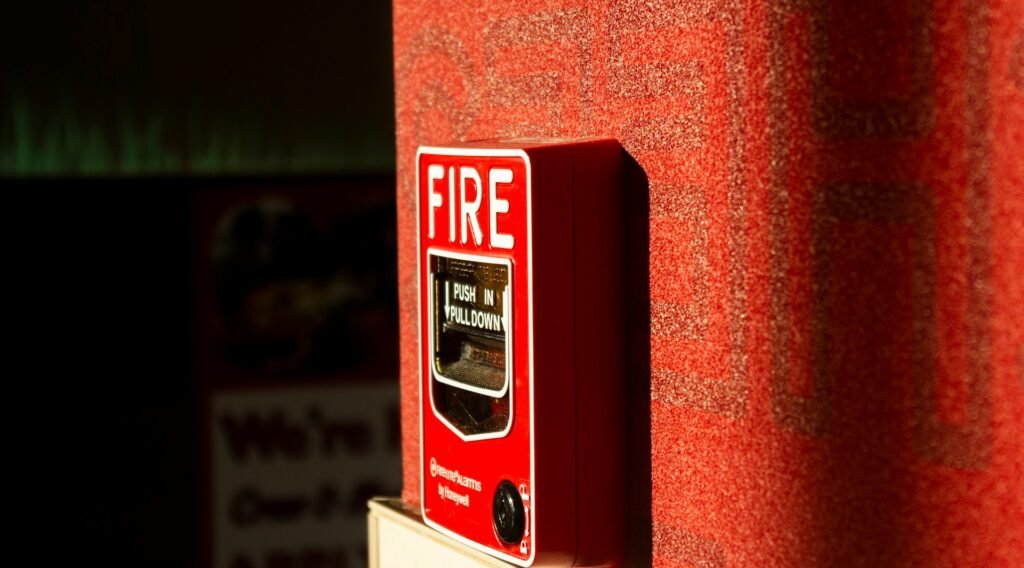
Fire safety regulations play a vital role in protecting people, property, and businesses from the devastating consequences of fire. Whether you own a residential building, commercial premises, rental property, or industrial facility, understanding and complying with current fire safety legislation is essential. From conducting regular fire risk assessments to installing compliant fire suppression systems, every aspect of fire protection contributes to a safer environment.
Modern solutions such as water mist fire suppression systems are becoming increasingly popular for their efficiency, reliability, and reduced water usage, while strict British Standards help ensure these systems perform as intended. By staying informed about key fire safety regulations, property owners can reduce risks, meet legal obligations, safeguard valuable assets, and create buildings that prioritise occupant safety and long-term compliance.
Understand Your Fire Risk Assessment Duties
One of the fundamental legal requirements for most non-domestic premises is carrying out a fire risk assessment. This assessment identifies potential fire hazards, evaluates the level of risk, and outlines appropriate measures to reduce those risks. Following recognised guidance, including the british standard for water mist system where appropriate, can help ensure fire protection measures are designed and implemented in line with established safety requirements.
A fire risk assessment is not something that should be completed once and forgotten. It should be reviewed regularly, particularly after changes to the building, occupancy levels, or business operations. Maintaining accurate records also demonstrates that fire safety is being managed responsibly.
Install Suitable Fire Protection Systems
Every property has unique fire protection needs. The size, layout, purpose, and occupancy of a building all influence which suppression systems are most appropriate.
Traditional sprinkler systems remain a popular choice, but many modern developments now benefit from water mist technology. When designed and installed in accordance with recognised industry standards, these systems can operate effectively while meeting established fire safety requirements. Choosing compliant fire suppression solutions helps improve overall building protection and supports long-term regulatory compliance.
Choosing equipment that complies with established standards provides reassurance that the system has been designed with both performance and occupant safety in mind.
Maintain Clear Means of Escape
Even the most advanced fire protection systems cannot replace the importance of safe evacuation routes.
Property owners must ensure that escape routes remain unobstructed at all times. Emergency exits should be clearly marked, easily accessible, and fitted with appropriate emergency lighting where required. Fire doors should never be wedged open or altered in ways that reduce their effectiveness.
Regular inspections help identify potential issues before they become serious safety concerns.
Fire Detection and Alarm Systems Matter
Early detection saves lives. Fire alarms should be suitable for the size and complexity of the building, providing occupants with sufficient warning to evacuate safely.
Routine testing and scheduled maintenance are equally important. Batteries, sensors, manual call points, and control panels all require regular checks to ensure the system functions correctly during an emergency.
Businesses should also establish clear procedures for responding to alarms, including designated assembly points and evacuation responsibilities.
Staff Training and Fire Safety Awareness
Fire safety equipment is only effective when people know how to respond during an emergency.
Employers should provide appropriate fire safety training for employees, covering evacuation procedures, alarm recognition, reporting methods, and the safe use of firefighting equipment where appropriate.
Regular fire drills help occupants become familiar with evacuation routes while identifying any weaknesses in existing emergency plans.
Training should be refreshed periodically, particularly when new staff join the organisation or significant changes occur within the building.
Special Considerations for Commercial Properties
Commercial premises often present additional fire risks due to higher occupancy levels, specialised equipment, or industrial processes. Offices, warehouses, hotels, healthcare facilities, and educational buildings each have unique regulatory requirements.
Many businesses are now considering a commercial water mist system because these systems can provide effective fire suppression while using significantly less water than conventional sprinklers. This can help reduce water damage and make them suitable for a wide range of commercial environments where protecting equipment and assets is equally important.
Selecting the right suppression system should always form part of a broader fire safety strategy developed alongside qualified professionals.
Keep Maintenance Records Up to Date
Compliance extends beyond installation. Fire extinguishers, alarms, emergency lighting, suppression systems, and fire doors all require ongoing inspection and maintenance.
Keeping detailed maintenance records demonstrates that equipment has been serviced according to the manufacturer’s recommendations and relevant regulations. These records may also prove valuable during inspections or insurance assessments.
Scheduling routine maintenance helps identify faults before they compromise safety.
Stay Informed About Regulatory Changes
Fire safety legislation continues to evolve as new technologies, research, and lessons from previous incidents shape industry standards.
Property owners should periodically review current guidance and consult qualified fire safety professionals when making significant changes to their buildings. Renovations, extensions, changes in occupancy, or new business activities may all introduce additional compliance requirements.
Remaining proactive helps ensure ongoing compliance while improving the overall safety of the property.
Frequently Asked Questions
- What fire safety regulations apply to commercial property owners in the UK?
Commercial property owners must comply with fire safety legislation, including carrying out regular fire risk assessments, maintaining fire detection and suppression systems, providing clear escape routes, and ensuring employees receive appropriate fire safety training. The exact requirements depend on the type and use of the building.
- How often should a fire risk assessment be reviewed?
A fire risk assessment should be reviewed regularly and whenever significant changes occur, such as alterations to the building, changes in occupancy, or new business activities. Regular reviews help ensure fire safety measures remain effective and compliant with current regulations.
- Why are water mist systems becoming more popular?
Water mist systems use fine water droplets to suppress fires efficiently while using significantly less water than traditional sprinkler systems. This can help minimise water damage, making them a practical option for many commercial buildings, heritage properties, and facilities with valuable equipment.
- What happens if a property owner fails to comply with fire safety regulations?
Failure to comply with fire safety regulations can result in enforcement action, financial penalties, legal prosecution, and increased liability if a fire occurs. More importantly, inadequate fire safety measures can put lives and property at serious risk, making ongoing compliance essential.
Conclusion
Fire safety regulations are about far more than meeting legal obligations they are about protecting people, preserving property, and reducing the devastating impact of fire. By carrying out regular risk assessments, maintaining fire protection systems, ensuring safe escape routes, providing staff training, and keeping maintenance records up to date, property owners can create safer environments for everyone.
Taking a proactive approach to fire safety not only supports regulatory compliance but also provides confidence that your property is well prepared should an emergency occur.